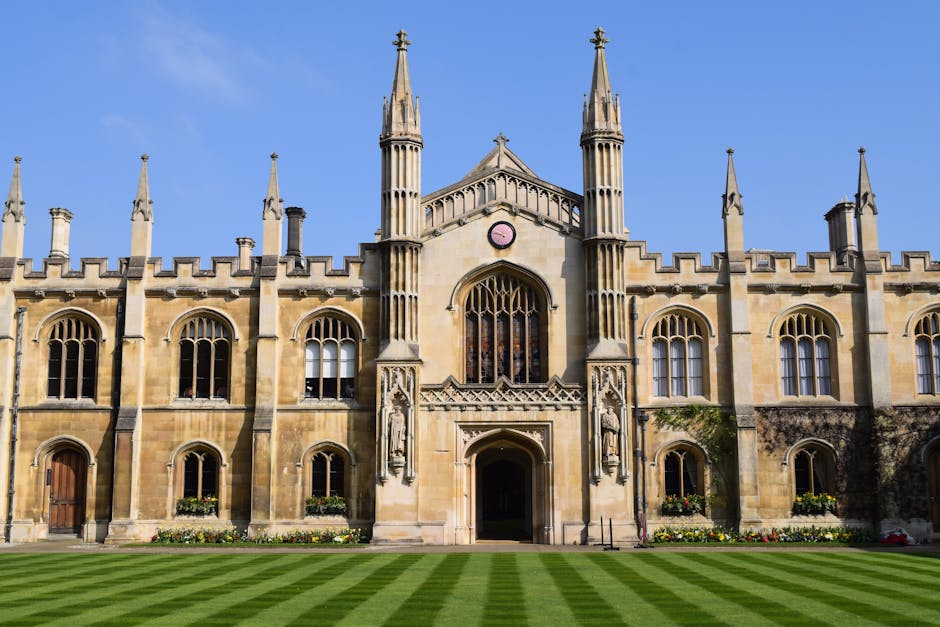
Understanding Faith Schools in the UK
Selecting a faith-based school represents a significant choice for families. Whether considering Church of England, Catholic, Islamic, Jewish, Sikh, or Hindu institutions, each maintains distinct admissions procedures and prerequisites. This resource helps parents comprehend expectations and prepare applications effectively.
Types of Faith Schools and Their Characteristics
Church of England Schools
Church of England institutions represent the largest faith school sector in the UK education system. These schools extend welcomes to children across all faith backgrounds while sustaining Christian values.
Key Features:
-
Inclusive of families regardless of faith affiliation
-
Emphasis on Christian principles and worship
-
Regular church attendance and services
-
Christianity-focused religious education
-
Often significantly oversubscribed
Roman Catholic Schools
Catholic institutions maintain robust connections with local parishes and broader Catholic communities. Priority typically goes to Catholic families, though spaces may open to others.
Key Features:
-
Strong Catholic identity with daily worship
-
Local parish collaboration
-
Integrated sacramental preparation
-
Catholic religious education curriculum
-
Notable pastoral care emphasis
Islamic Schools
These institutions blend the National Curriculum with Islamic study and Arabic instruction, fostering Muslim children's religious and cultural development.
Key Features:
-
Islamic studies integration
-
Prayer facilities and allocated prayer times
-
Halal meal options
-
Arabic language programmes
-
Modest dress code accommodations
Jewish Schools
Jewish schools provide comprehensive secular and Jewish education, helping students develop strong religious identities alongside academic achievement.
Key Features:
-
Hebrew language instruction
-
Jewish studies curriculum
-
Kosher meal provision
-
Jewish holiday observance
-
Active community engagement
Sikh Schools
These institutions balance academic excellence with Sikh values, enabling students to explore their heritage within contemporary contexts.
Key Features:
-
Sikh studies and Punjabi language choices
-
Daily prayers and kirtan
-
Vegetarian meal options
-
Sikh values integration
-
Community connections
Hindu Schools
Hindu schools merge the National Curriculum with Hindu philosophical teachings, supporting spiritual and academic growth.
Key Features:
-
Hindu philosophy and values integration
-
Sanskrit language options
-
Vegetarian meal provision
-
Hindu festival celebrations
-
Yoga and meditation offerings
Admission Requirements by Religion
Church of England School Requirements
Regular Worship Criteria:
-
Consistent church attendance (typically minimum twice monthly over 12-24 months)
-
Parish residency considerations
-
Church activity participation
-
Religious leader recommendations
Required Documentation:
-
Supplementary Information Form (SIF)
-
Priest or minister reference
-
Baptism certificate (where applicable)
-
Parish residency proof (if applicable)
Catholic School Requirements
Religious Practice Evidence:
-
Catholic baptism documentation
-
First Holy Communion certificate (if applicable)
-
Regular Mass participation (often weekly)
-
Parish priest recommendation
-
Parish involvement documentation
Required Documentation:
-
Certificate of Catholic Practice
-
Baptism documentation
-
First Holy Communion certificate (if applicable)
-
Supplementary Information Form
-
Address verification
Islamic School Requirements
Religious Practice Criteria:
-
Islamic faith declaration
-
Mosque attendance documentation (where required)
-
Basic Islamic principles understanding
-
Religious leader reference (where applicable)
Required Documentation:
-
Faith commitment form
-
Mosque attendance record (if applicable)
-
Imam reference (where required)
-
Address verification
-
Previous school reports
Jewish School Requirements
Religious Practice Evidence:
-
Jewish status certification
-
Synagogue membership
-
Jewish observance documentation
-
Rabbi recommendation
-
Community participation
Required Documentation:
-
Certificate of Religious Practice (CRP)
-
Jewish status proof
-
Synagogue membership information
-
Rabbi reference letter
-
Previous school records
Sikh School Requirements
Religious Practice Criteria:
-
Family Sikhism connection
-
Gurdwara attendance
-
Sikh community participation
-
Sikh values comprehension
Required Documentation:
-
Religious practice form
-
Gurdwara reference (where required)
-
Address verification
-
Previous school reports
-
Community involvement evidence
Hindu School Requirements
Religious Practice Evidence:
-
Temple attendance records
-
Family religious background
-
Community involvement
-
Hindu values understanding
Required Documentation:
-
Faith background form
-
Temple reference (where required)
-
Previous school reports
-
Address verification
-
Community participation evidence
Application Process Timeline
Autumn Term
-
Investigate available faith schools
-
Participate in open days
-
Initiate religious practice documentation gathering
-
Commence regular worship attendance if necessary
Spring Term
-
Finalise school application paperwork
-
Complete Supplementary Information Forms
-
Obtain religious leader references
-
Submit all supporting materials
Summer Term
-
Get admission decision notification
-
Confirm or reject placement
-
File appeals if necessary
-
Begin transition preparations
Tips for Non-Practising Families
Numerous faith schools welcome families exploring faith or from different traditions. Approach applications thoughtfully:
-
Demonstrate honesty regarding current religious engagement
-
Show willingness to embrace school ethos
-
Participate in worship when comfortable
-
Engage within religious communities
-
Display commitment to institutional principles
Common Mistakes to Avoid
-
Initiating religious observance too late in the process
-
Missing deadline submissions
-
Providing insufficient religious practice documentation
-
Submitting incomplete application materials
-
Overlooking detailed oversubscription policy review
Questions to Ask During School Visits
Religious Education and Practice
-
How does religious instruction integrate into everyday school life?
-
What religious participation expectations exist for students?
-
How does the school respect and teach alternative belief systems?
Academic Standards
-
How does faith education complement National Curriculum requirements?
-
What achievement expectations does the school maintain?
-
How does the school track student development?
Pastoral Care
-
How does the school support students from different faith backgrounds?
-
What emotional wellbeing support does the school provide?
-
How does the institution accommodate religious and cultural requirements?
Frequently Asked Questions
How do different faith schools measure religious practice?
Each faith institution establishes its own measurement criteria, typically including:
-
Consistent worship participation
-
Community involvement
-
Religious leader recommendations
-
Religious activity participation
-
Family background in the faith
Can we apply to schools of different faiths?
Most faith schools welcome applications from families outside their tradition, though children of the school's faith typically receive preference. Review individual school policies carefully.
What if we've recently joined the faith?
Many schools embrace newly-committed faith community members. Demonstrate sincerity regarding your faith journey and commitment to supporting institutional values.
How strict are the religious requirements?
Requirements differ considerably among institutions and faiths. Some maintain strict criteria while others demonstrate greater flexibility. Always examine individual school policies.
Documentation Checklist
Essential Documents for All Faith Schools
-
Completed application form
-
Address documentation
-
Child's birth certificate
-
Previous school reports
-
Supplementary Information Form
Faith-Specific Documents
-
Religious practice documentation
-
Religious leader references
-
Baptism or dedication certificates
-
Community involvement proof
-
Religious organisation membership verification
Additional Resources
-
Local Authority School Admissions information
-
Faith School Networks
-
Religious Community Support services
-
Appeals Process guidance
-
School Choice Advice services
Important: Each faith school possesses unique characteristics, with requirements varying significantly even within the same tradition. Always verify individual school policies and communicate directly with schools regarding their specific expectations.