Understanding Primary School Swimming Provision in the UK
Swimming is a crucial life skill and an essential part of the primary PE curriculum. This comprehensive guide explains everything parents need to know about primary school swimming provision, including curriculum requirements, lesson structure, and how schools support every child in becoming a confident swimmer.
What the Law Requires Schools to Provide
Primary schools in England must provide swimming instruction within the national curriculum for physical education. The primary PE curriculum swimming requirements specify that all schools must provide swimming lessons during key stages 1 or 2 (ages 5-11).
By the end of Year 6, pupils should be able to:
-
Swim competently, confidently, and proficiently over a distance of at least 25 metres
-
Use a range of strokes effectively, including front crawl, backstroke, and breaststroke
-
Perform safe self-rescue in different water-based situations
When and How Schools Deliver Swimming Lessons
Most primary schools begin their swimming programme in Key Stage 2, typically around Year 3 or 4. However, some schools start earlier if they have access to suitable facilities. The timing and structure of lessons vary depending on several factors:
On-site vs Off-site Pools
Schools either use:
-
Their own swimming pools (less common)
-
Local leisure centre pools
-
Pools at nearby secondary schools
Typical Lesson Structure
Most schools organise swimming lessons as:
-
Weekly sessions lasting 30-45 minutes
-
Blocks of intensive daily lessons over 2-3 weeks
-
Term-long programmes, usually one term per year
Transport and Timing
For schools using off-site facilities:
-
Lessons are usually scheduled during the school day
-
Transport is arranged via school minibus or coach
-
Journey time is factored into the overall lesson duration
Swimming Assessment and Progress Tracking
Schools regularly assess pupils' swimming competency against national curriculum swimming requirements. This typically includes:
Initial Assessment
-
Basic water confidence
-
Current swimming ability
-
Any specific concerns or needs
Ongoing Monitoring
-
Regular progress checks
-
Achievement of specific milestones
-
Areas needing additional support
End of Primary Targets
Teachers assess whether pupils can:
-
Swim the required 25 metres
-
Demonstrate various swimming strokes
-
Show understanding of water safety
-
Perform basic rescue techniques
Supporting Non-Swimmers and Nervous Children
Schools recognise that children develop water confidence at different rates and provide appropriate support:
Additional Support Measures
-
Small group teaching for less confident swimmers
-
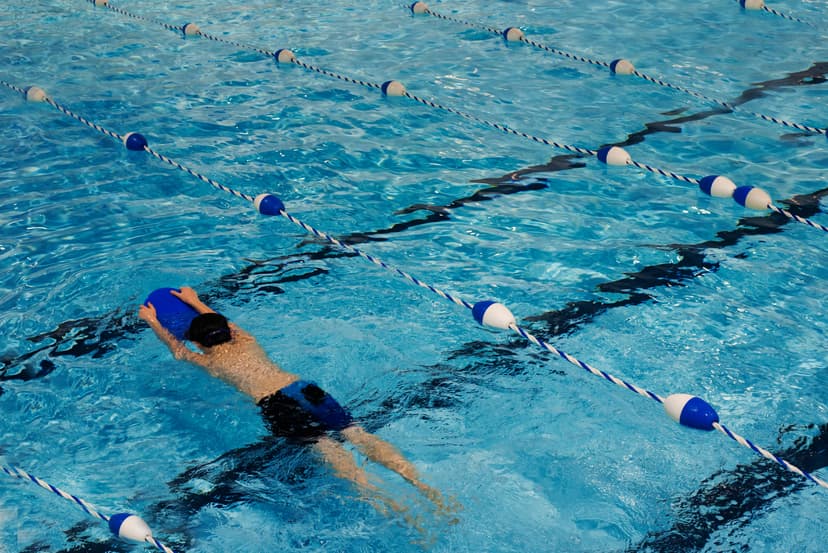
Extra flotation aids when needed
-
Dedicated swimming teachers for different ability levels
Catch-up Programmes
Many schools offer:
-
Additional swimming sessions for those needing extra practice
-
Intensive courses during school holidays
-
Links to local swimming clubs for extra support
What Your Child Needs for Swimming Lessons
Essential Swimming Kit
-
One-piece swimming costume (girls) or trunks/shorts (boys)
-
Swimming cap (usually required)
-
Towel
-
Goggles (check school policy)
-
Waterproof bag
Additional Items
-
Spare underwear
-
Brush or comb
-
Hair bands for long hair
-
Flip-flops or pool shoes (if allowed)
Water Safety Education
Beyond teaching swimming strokes, schools focus on crucial water safety education:
-
Understanding pool rules and safety
-
Recognising dangerous situations
-
Learning basic rescue techniques
-
Building water confidence safely
Additional Swimming Opportunities
Schools often provide or recommend:
-
Extra-curricular swimming clubs
-
Holiday swimming programmes
-
Links with local swimming centres
-
Competitive swimming opportunities
Frequently Asked Questions
When do school swimming lessons typically start?
Most schools begin swimming lessons in Year 3 or 4, though some may start earlier. The exact timing depends on pool availability and school resources.
How are swimming groups organised?
Children are usually grouped by ability following initial assessments. Groups are flexible, allowing pupils to move between levels as they progress.
What if my child can't swim yet?
Schools provide appropriate support for non-swimmers, including extra assistance, flotation aids, and sometimes additional lessons. Every child progresses at their own pace.
How long do swimming lessons last?
Typical lessons last 30-45 minutes, with the total time including changing and transport for off-site pools.
What are the end-of-primary swimming targets?
By Year 6, pupils should swim 25 metres confidently, use various strokes effectively, and understand water safety and self-rescue.
What if my child is nervous about swimming?
Teachers are experienced in supporting nervous swimmers with gradual confidence building and extra support when needed.
Supporting Your Child's Swimming Journey
As a parent, you can support your child's school swimming experience by:
-
Ensuring they have all necessary equipment
-
Maintaining positive conversations about swimming
-
Practising between lessons if possible
-
Communicating any concerns with teachers
-
Celebrating their progress, however small
Remember that every child develops at their own pace, and schools are committed to supporting each pupil in becoming a confident and capable swimmer.
Swimming is an essential life skill, and primary school swimming provision ensures every child has the opportunity to learn in a safe, supportive environment. Through structured lessons, regular assessment, and appropriate support, schools work to help all pupils meet national curriculum swimming requirements while building confidence and enjoying their time in the water.